
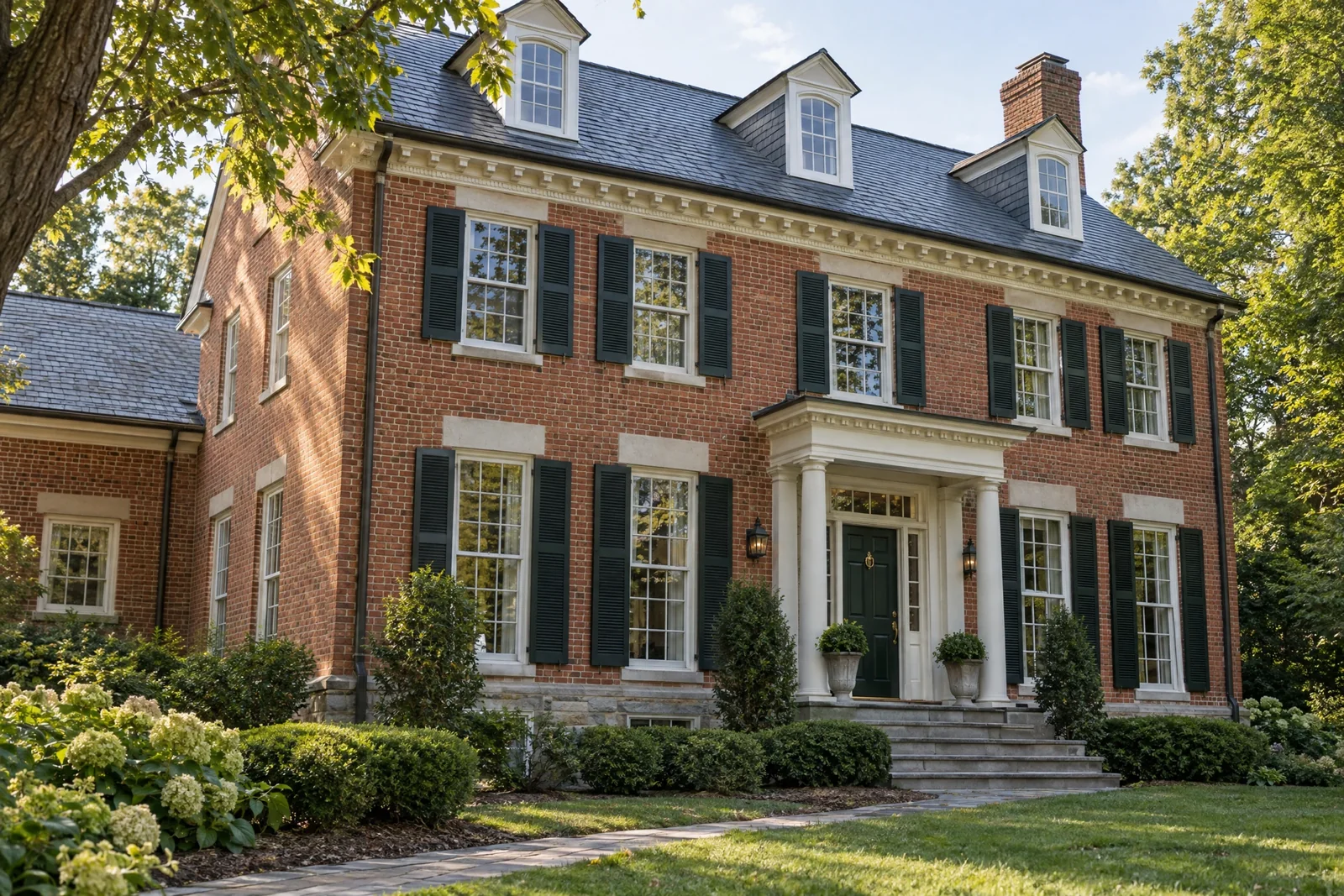
A clearer view before you commit
Buying a home means weighing more than its appearance. A pre-purchase inspection gives you an independent, visual account of accessible conditions on the day of the visit. It can help you understand how major components appear to be functioning, notice concerns that merit attention, and make better-informed decisions before finalizing a purchase. It is information for your decision-making, not a pass-or-fail grade on the house.
The buyer or the buyer’s real estate agent typically arranges the inspection in line with the purchase contract. If your contract has an inspection period or other requirements, share those details when you call so the scope and scheduling can be discussed with that in mind.
What the inspection can—and cannot—tell you
The inspection is visual and non-invasive, and is limited to areas that are accessible at the time. It does not involve opening walls or other destructive testing. Stored belongings, locked areas, unsafe access, or other obstructions can limit what is observable; let us know about access concerns in advance. The findings describe visible conditions, not hidden defects that cannot be seen during the visit.
An inspection is not a warranty, a prediction that components will last, or a certification of code compliance. Conditions can change after the inspection, and some issues need evaluation by a qualified specialist. The digital report uses descriptions and photographs to explain observed items and distinguish concerns from maintenance or other points for follow-up. Use it as a working reference: note what you want clarified, and direct technical questions to the appropriate specialist.
Prepare the property and your questions
Before the appointment, coordinate access with the seller or listing representative through the usual transaction process. Identify any areas you especially want considered, such as an attic or basement, and ask that access be available where possible. Tell us about known concerns, prior repairs you have been told about, and any access restrictions. The inspection can only address areas that can be safely and reasonably reached; unavailable areas may need separate attention.
If you can attend, use the visit to understand the home’s systems and ask questions as observations are explained. Keep a short list of your priorities, but allow the inspection to cover its broader scope rather than treating it as a review of only one concern. After receiving the report, organize follow-up questions, decide whether further evaluation is appropriate, and discuss transaction decisions with your advisers. The inspector can explain inspection observations, but does not negotiate repairs or make the purchase decision for you.
Arrange your inspection
Camelot Home Inspections Inc. is a family-owned company founded in 2004. Bob Murphy is a Certified Master Inspector (CMI) who has personally completed more than 5,000 inspections in the Washington, DC, Maryland, and Northern Virginia region. To discuss the property and arrange a buyer’s inspection, call (855) 312-9472 or email [email protected].
When you call or write, include the property’s city or general location, that you are purchasing, the property type if known, your contract or inspection-period dates, and any particular questions or access issues. Share the real estate agent’s contact details if the agent is coordinating. We can discuss the appropriate scope and appointment directly. For background, visit About Camelot; learn how findings are presented in our reports; or review inspection scheduling information and contact details.